


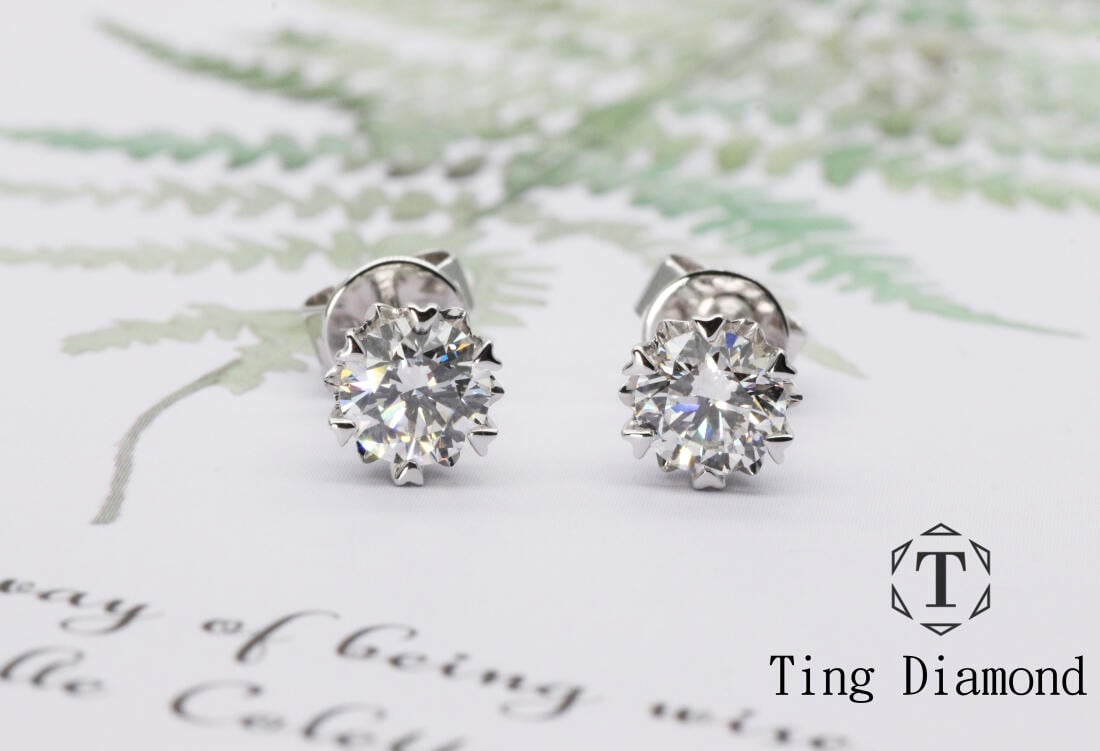
Where to Buy Lab-Grown Diamonds in Hong Kong: Price & Certification Compared
Lab-grown diamonds are chemically, optically and physically identical to natural diamonds and graded on the same GIA/IGI 4Cs scale, typically costing 80–90% less at the same 4Cs (the gap narrows at lower grades) — but where you buy them changes what you actually get for that saving.
Lab-grown diamonds have gone from a niche alternative to a mainstream choice in Hong Kong within a few years. They are chemically, optically and physically identical to natural diamonds — the same crystal structure, the same brilliance, graded on the same GIA/IGI 4Cs scale — and typically cost 80–90% less than a natural diamond at the same 4Cs. But "where to buy" still matters, because certification standards and pricing structure vary a lot between sellers.
What to check before you buy
- Certification lab. Confirm whether the report is from GIA or IGI — see our GIA vs IGI comparison for why this changes what a given grade actually looks like.
- Growth method disclosure. Reputable certificates state whether the diamond is CVD (Chemical Vapour Deposition) or HPHT (High Pressure High Temperature) grown — both are legitimate, but the report should say which.
- Laser inscription. Most lab-grown diamonds are laser-inscribed on the girdle with the report number and "Laboratory Grown" — verify this is present and matches the certificate.
- Total price, not just per-carat quoted price. Some sellers quote an attractive per-carat rate on a small stone, then the setting and finishing costs bring the total close to a natural-diamond budget. Always compare the fully finished ring price.
Chain retailers vs upstairs-shop wholesalers
Mall chains increasingly stock lab-grown lines, but usually at prices closer to their natural-diamond markup structure, since the retail overhead (rent, staffing, brand) applies regardless of stone origin. Upstairs-shop wholesalers in districts like Tsim Sha Tsui typically pass more of the lab-grown cost saving through to the buyer, because the business model is already built around wholesale-linked pricing rather than retail markup. See our fuller buying guide comparing chains, boutiques and upstairs wholesalers for the full trade-offs of each.
Is a lab-grown diamond a good choice for an engagement ring?
For most buyers, yes — if the priority is maximum carat and clarity within a fixed budget rather than natural-origin rarity as a value driver. The trade-off is resale value: lab-grown diamonds currently hold a smaller share of the secondary market than natural stones of comparable grade, so buyers focused on long-term resale sometimes still lean natural. Neither choice is wrong; it depends on what you're optimising for.
Every lab-grown diamond in our lab-grown inventory carries a GIA or IGI certificate you can verify online, filterable by the same 4Cs as our natural diamond search. For a deeper side-by-side on chemical composition, hardness and resale, see our Lab-Grown Diamond Guide.
Related guides


