


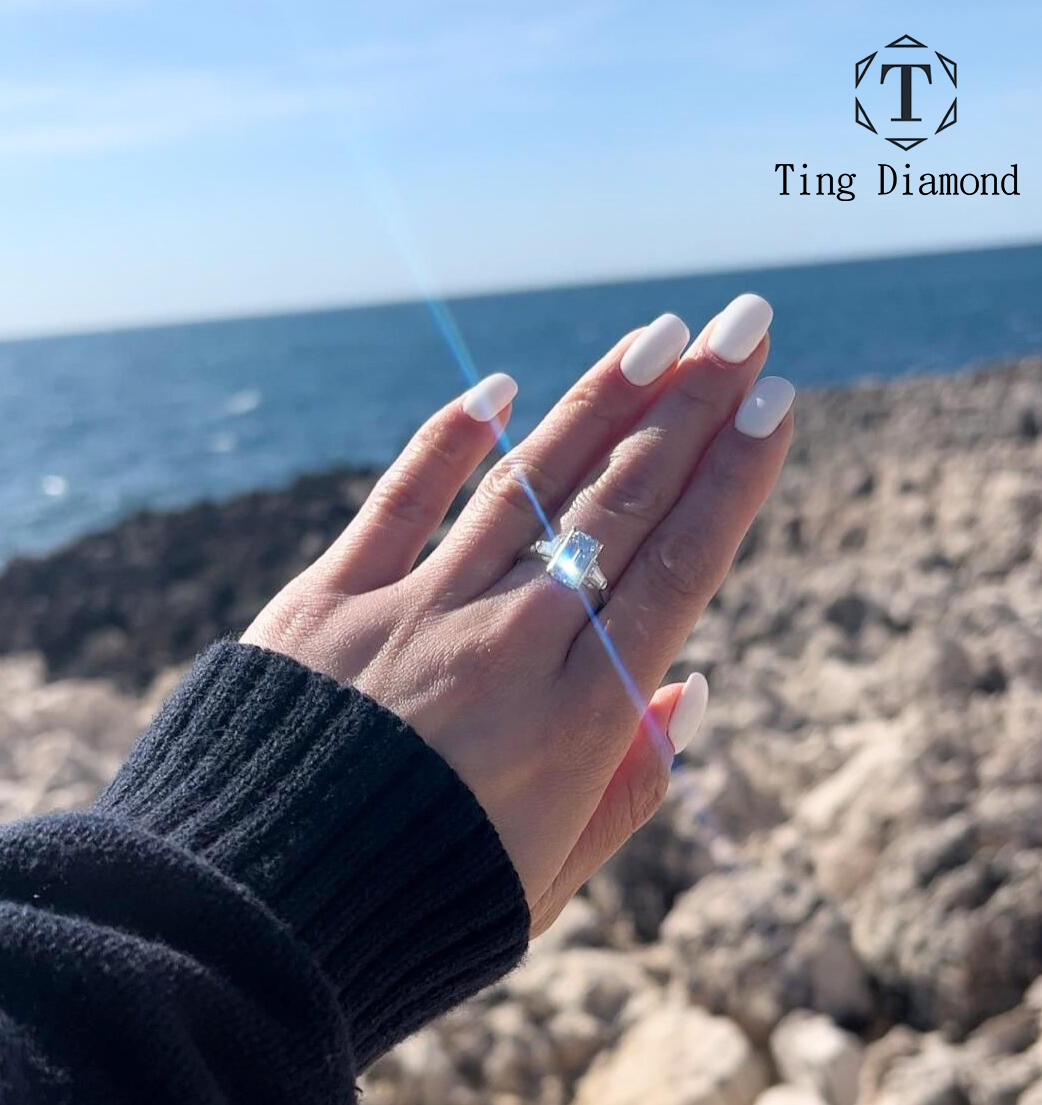
How to Choose a Diamond Ring: Hong Kong 7-Step Guide
How to choose a diamond ring in Hong Kong: compare budget, natural or lab-grown diamonds, 4Cs, settings, certificates and ring size with a practical 7-step guide.
Choosing a diamond ring is easier when you make decisions in the right order: set a comfortable total budget, decide what matters most to the wearer, compare the diamond itself, then choose a setting that works for everyday life. This Hong Kong guide explains the practical trade-offs so you can compare rings with confidence rather than chasing the biggest number on a certificate.
Quick answer: what should you prioritise when choosing a diamond ring?
For most buyers, start with a well-cut, eye-clean diamond and a setting that suits the wearer’s lifestyle. Then balance colour, carat weight and metal within your budget. A natural diamond may suit buyers who value rarity and origin; a lab-grown diamond may suit buyers who want more visible size or clarity for the same budget. Neither is automatically better—the right choice depends on your priorities.
Step 1: Set a total budget before comparing diamonds
Include the loose diamond, setting, any custom work, engraving and future resizing or maintenance in the same budget. The old “three months’ salary” rule is not a requirement. A realistic budget is one you can spend comfortably while still choosing a diamond and ring design you will be happy to wear every day.
Compare complete ring prices, not only the quoted price per carat. Two rings with similar-looking centre stones can differ because of cut quality, certification, setting workmanship and the metal used.
Step 2: Choose natural or lab-grown before narrowing the 4Cs
Natural and lab-grown diamonds have the same chemical composition, hardness and visual brilliance, but they differ in origin, supply and typical price. Lab-grown diamonds often allow a larger carat weight or higher clarity within the same budget. Natural diamonds may better suit buyers who place personal value on geological rarity and natural origin. Compare like with like: origin, shape, carat, cut, colour, clarity and certificate should all match before comparing prices.
Read our lab-grown diamond guide for a fuller comparison.
Step 3: Use the 4Cs in a practical order
Cut: prioritise sparkle first
Cut has the greatest influence on how bright and lively a diamond looks. A well-cut diamond can look more attractive than a larger stone with poor light performance. For round brilliant diamonds, compare the cut grade as well as polish, symmetry and the stone’s video or in-person appearance. Learn how diamond cut affects brilliance.
Colour: match it to the metal
Platinum and white gold make warmer colour tones easier to notice, while yellow or rose gold can complement warmer diamonds. Colourless grades can be beautiful, but a near-colourless diamond that faces up white can offer stronger value. See the diamond colour guide.
Clarity: choose an eye-clean stone
Clarity grades describe inclusions under magnification, not necessarily what you can see in normal wear. Many VS and SI diamonds are eye-clean and can offer better value than flawless grades. Always assess the specific stone: inclusion position, size and contrast matter. Read the clarity guide.
Carat: size is more than a number
Carat measures weight, not visible diameter. Shape, cut proportions and setting can all change how large a diamond appears. Consider a size just below a popular whole-carat threshold if it lets you retain a better cut or a more comfortable budget. Use the diamond size chart before deciding.
Step 4: Pick a setting for both style and daily life
- Solitaire: timeless and easy to pair with many wedding bands; it keeps the centre diamond as the focus.
- Halo: small surrounding diamonds create a larger visual outline; check whether the setting height suits daily wear.
- Side-stone or three-stone: adds sparkle and symbolism, but requires careful matching of proportions.
- Bezel or lower-profile settings: offer more protection for active lifestyles, though they show less of the diamond’s side profile.
Also consider prong count, ring height and cleaning. A lower setting is often easier for hands-on work; a higher setting can show more of the diamond but may catch more easily. Browse engagement-ring settings.
Step 5: Verify the grading report and the stone
Buy a diamond with an independent grading report and check the report number directly with the issuing laboratory. Confirm that its shape, carat, measurements, colour, clarity and any laser inscription match the diamond you are shown. GIA and IGI are both independent laboratories; compare the complete report and the actual stone, not a certificate grade alone.
Learn how to read a GIA report and compare GIA and IGI certificates.
Step 6: Get the ring size and fit right
For a surprise proposal, measure a ring already worn on the intended finger or ask a trusted friend or family member. Ring width, weather and time of day can affect fit. Plain bands are usually simpler to resize than pavé, channel-set or eternity designs, so confirm the resizing policy before ordering. Use our Hong Kong ring-size guide.
Step 7: Use this final comparison checklist
- Does the ring fit the wearer’s style and daily routine?
- Have you compared the complete price, not just carat weight?
- Can you verify the report and inspect the specific stone?
- Do you understand the setting, resizing and aftercare terms?
- Have you compared natural and lab-grown only on matching specifications?
Frequently asked questions
Which of the 4Cs matters most for a diamond ring?
Cut usually has the greatest effect on visible sparkle. After choosing a good cut, balance colour, clarity and carat according to the look you want and your budget.
Do I need a one-carat diamond ring?
No. The best size is the one that looks proportionate on the wearer’s hand and fits your priorities. Shape, cut and setting can make a smaller diamond look more substantial.
Are lab-grown diamonds suitable for engagement rings?
Yes. They are durable enough for daily wear and can be a strong option when visible size or clarity is the priority. Choose with an understanding of the origin and longer-term value trade-off.
When you are ready, compare certified loose diamonds and choose a setting that suits the ring’s wearer and your budget.
Related guides


