


Where Do Natural Diamonds Come From? Origins & Ethical Sourcing
Discover the journey of natural diamonds from deep within the Earth to Hong Kong, including major origins, mining processes, and ethical sourcing.
The Deep Earth Origins of Natural Diamonds
Every natural diamond tells a geological story that spans billions of years. Formed deep within the Earth's mantle—approximately 150 to 200 kilometres below the surface—diamonds are the result of carbon atoms subjected to extreme temperatures of over 1,000 degrees Celsius and intense pressure. These precious gemstones are then brought closer to the surface through powerful volcanic eruptions, preserved in unique volcanic rock formations known as kimberlite pipes.
For couples searching for the perfect engagement ring in Hong Kong, understanding this incredible journey adds a layer of profound meaning to their chosen symbol of love.
Key Global Diamond Origins
While diamonds are found in various parts of the world, only a few regions possess the geological conditions necessary to yield gem-quality diamonds. The primary sources of natural diamonds today include:
- Botswana: As one of the world's leading producers of diamonds by value, Botswana is renowned for yielding large, high-quality gemstones. The diamond industry has played a pivotal role in the country's economic development, funding healthcare, education, and infrastructure.
- Canada: Known for its pristine, icy environments, Northern Canada is a major source of high-quality, ethically mined diamonds. Canadian diamonds are highly sought after by Hong Kong buyers who value environmental stewardship and strict labour standards.
- South Africa: The historic birthplace of the modern diamond industry, South Africa continues to produce exceptional diamonds, including rare blue diamonds.
- Angola and Namibia: Namibia is famous for its marine diamond mining, where diamonds washed down rivers millions of years ago are recovered from the seabed, yielding exceptionally high-quality gems.
The Diamond Mining and Extraction Process
Bringing a diamond from the depths of the Earth to a beautifully polished ring involves complex engineering and meticulous craftsmanship. There are three primary methods of diamond mining:
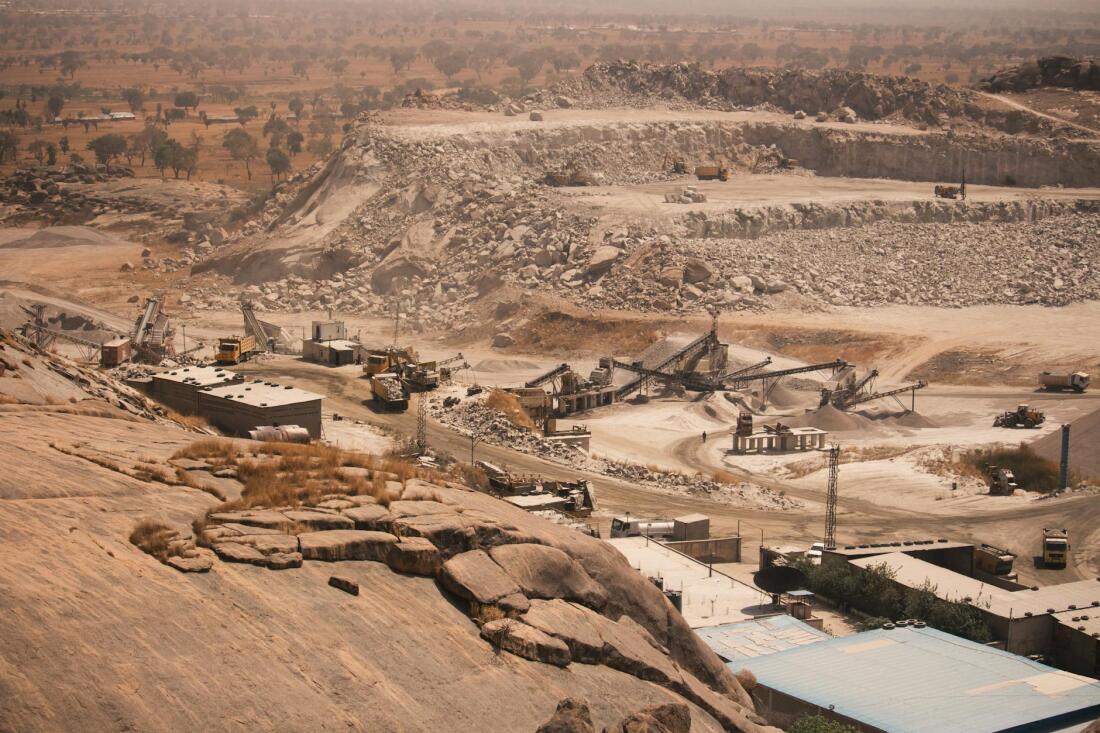
- Open-Pit Mining: This involves removing layers of sand and rock to access the kimberlite pipe beneath. It is the most common method for large-scale deposits.
- Underground Mining: When open-pit mining is no longer viable, miners tunnel deep into the Earth to extract diamond-bearing ore.
- Alluvial Mining: Over millennia, natural erosion carries diamonds away from kimberlite pipes into rivers and oceans. Alluvial mining involves searching these waterbeds and shorelines for diamonds.
Once the ore is extracted, it undergoes crushing, washing, and sorting. Only a tiny fraction of the mined material is actual diamond, and an even smaller percentage is of gem quality suitable for fine jewellery.
Ethical Sourcing and the Kimberley Process
In modern jewellery, the origin of a diamond is just as important as its beauty. Consumers in Hong Kong are increasingly conscious of the ethical implications of their purchases. To prevent the trade of "conflict diamonds" (diamonds used to fund rebel movements), the global diamond industry established the Kimberley Process Certification Scheme (KPCS) in 2003.
The Kimberley Process tracks diamonds from their point of origin to the final market, ensuring they are conflict-free. When purchasing a GIA-certified diamond, buyers can rest assured that the diamond has passed through legitimate channels. GIA (Gemological Institute of America) reports now often include origin reports, tracing the diamond back to its country of origin, offering complete transparency.
Choosing Your Diamond with Confidence at Ting Diamond
At Ting Diamond, we believe that luxury should never compromise integrity. As a specialist in GIA-certified natural diamonds in Hong Kong, we are committed to sourcing diamonds that are not only breathtakingly beautiful but also ethically and responsibly mined. We work closely with trusted suppliers who adhere strictly to the Kimberley Process, ensuring that every engagement ring and fine jewellery piece we create carries a legacy of positive impact and enduring beauty.
Related guides


