










How to Read a GIA Report: Your Guide to Certified Diamonds
GIA report, diamond grading, 4Cs of diamonds, diamond certificate, GIA certified, Ting Diamond, diamond clarity, diamond cut
What is a GIA Report?
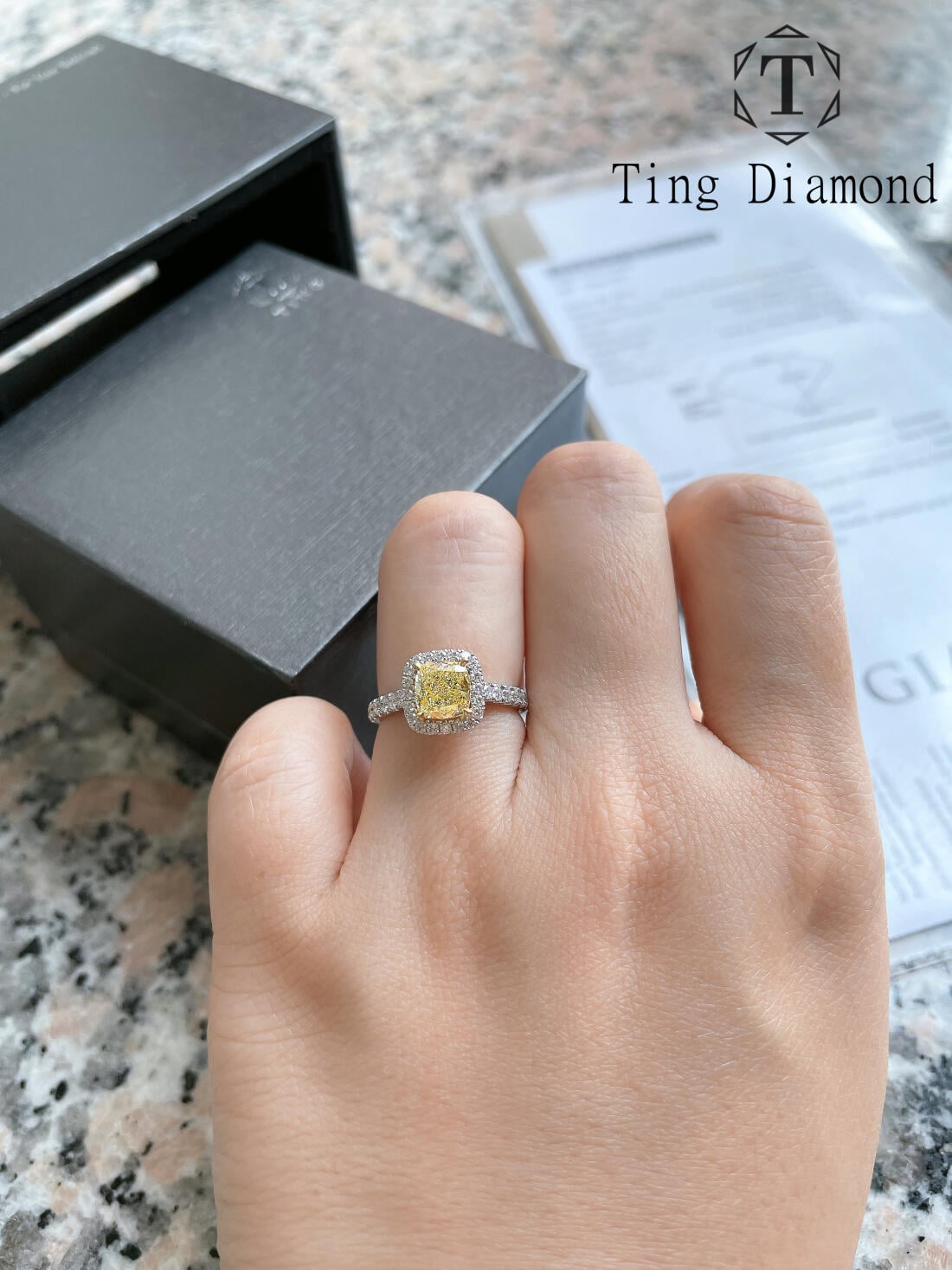
When purchasing a diamond, ensuring its authenticity and quality is paramount. A GIA report serves as the ultimate blueprint of your precious stone, providing an unbiased assessment from the Gemological Institute of America. As a globally recognised standard, this certificate guarantees that you know exactly what you are investing in. At Ting Diamond, we exclusively offer GIA-certified diamonds to provide our clients with absolute peace of mind.
Decoding the 4Cs in Your GIA Report
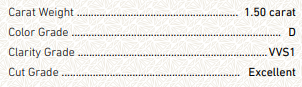
The most critical section of any GIA report is the grading of the 4Cs: Carat, Color, Clarity, and Cut. Understanding these elements helps you evaluate the true value of a diamond.
- Carat Weight: This measures the physical weight of the diamond to a highly precise decimal point.
- Color Grade: The GIA grades diamond colour on a scale from D (colorless) to Z (light yellow or brown), indicating the absence of colour.
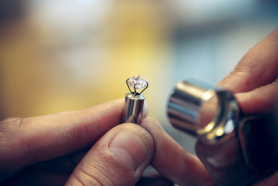
- Clarity Grade: This section maps out any internal inclusions or external blemishes under 10x magnification.
- Cut Grade: For round brilliant diamonds, the cut grade evaluates how well the stone interacts with light, ranging from Excellent to Poor.
Important Features of a Diamond Certificate
Beyond the basic 4Cs, a comprehensive GIA report contains several other vital pieces of information. The report number is a unique identifier laser-inscribed on the diamond girdle, linking the physical stone directly to its certificate.
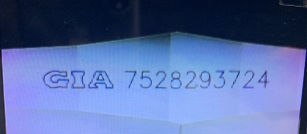
 You will also find a detailed proportions diagram, which illustrates the diamond's exact measurements, table percentage, and depth percentage. Additionally, the clarity plot acts as a fingerprint for your diamond, mapping the exact location and type of any inclusions.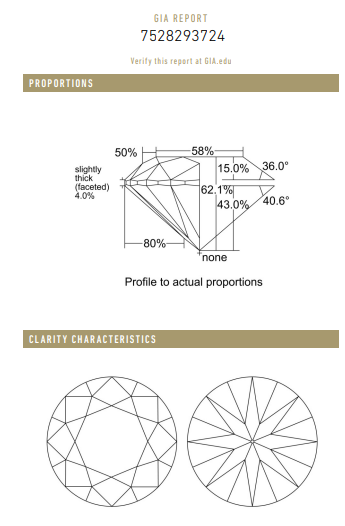
Additional Grading Details: Polish, Symmetry, and Fluorescence
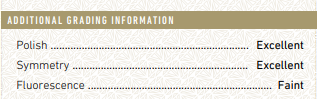
A thorough GIA report also evaluates the polish and symmetry of a diamond, which heavily influence its overall brilliance. Polish refers to the smoothness of the diamond facets, while symmetry assesses the exactness of the shape and facet arrangement. Both are graded on a scale from Excellent to Poor. Furthermore, the report will note the diamond fluorescence, which is its reaction to ultraviolet light. While faint fluorescence is often negligible, strong fluorescence can sometimes make a diamond appear milky. By carefully reviewing these additional details, you can make a highly informed decision when selecting your perfect piece of jewellery.
Why Choose GIA Certified Diamonds?
The diamond market can be complex, but a GIA report brings transparency and trust to your purchase. The Gemological Institute of America operates as an independent nonprofit organisation, meaning their grading is completely objective and free from commercial bias. Choosing a diamond with a GIA certificate protects your investment and ensures accurate valuation for insurance purposes. Ting Diamond prides itself on sourcing only the finest stones, each accompanied by a legitimate GIA report, so you can celebrate your special moments with complete confidence. In today's digital age, verifying your diamond certificate is easier than ever. You can enter the unique report number on the official GIA website to confirm that the details match your physical document. If you ever need assistance understanding the technical details of your certificate, our diamond experts are always ready to guide you through every specification.
Related guides