


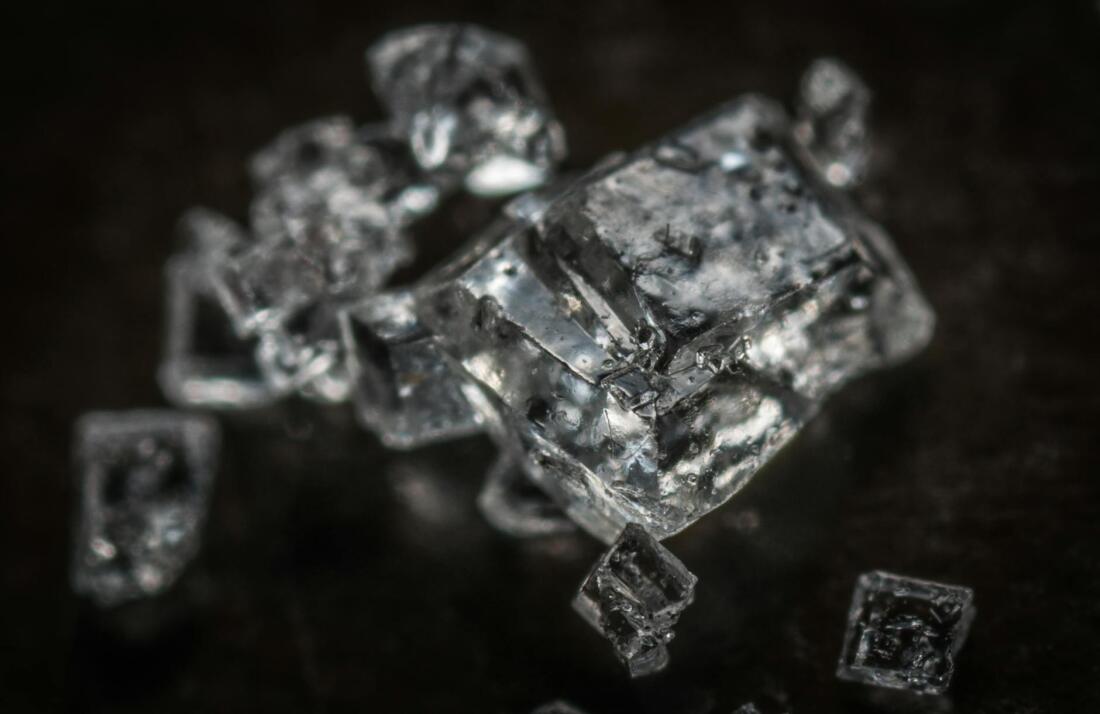
How Diamonds Are Formed: Origin, Hardness & Diamond vs Adamant
Discover how diamonds are formed deep within the Earth, their chemical composition, Mohs hardness, and the difference between diamond and adamant.
Introduction to Nature's Ultimate Masterpiece
Diamonds have captivated humanity for centuries, representing the ultimate symbol of eternal love, strength, and luxury. In Hong Kong, couples searching for the perfect engagement ring often look for GIA-certified diamonds to ensure quality and authenticity. But have you ever wondered how these dazzling gemstones are created? The journey of a diamond from deep within the Earth to a beautifully polished ring at Ting Diamond is a fascinating story of extreme science, geological wonders, and unmatched natural strength. Understanding the science behind diamonds can help you appreciate their true value and make a more informed decision when choosing your jewellery.
The Deep-Earth Journey: Geological Origin of Diamonds
Diamonds are not formed on the Earth's surface; instead, they are created deep within the Earth's mantle, approximately 140 to 190 kilometres below the surface. This environment is characterized by extreme conditions that are impossible to replicate naturally on the surface. To form a diamond, two critical factors are required:
- Extreme Pressure: Pressures of about 45 to 60 kilobars (which is roughly 50,000 times atmospheric pressure at sea level) are necessary to compress carbon atoms into a tight crystalline structure.
- Intense Heat: Temperatures ranging from 900 to 1,300 degrees Celsius are required to facilitate the crystallization process.
Under these intense conditions, carbon atoms bond together over billions of years to form rough diamond crystals. But how do they reach the surface? Diamonds are brought to the Earth's surface by deep-origin volcanic eruptions. Magma from these eruptions travels rapidly through the crust, forming vertical pipes known as kimberlite pipes. This rapid ascent cools the magma quickly, preserving the diamonds and preventing them from turning into graphite during their journey upward.
The Chemistry of Brilliance: Pure Carbon Structure
Chemically, a diamond is incredibly simple yet structurally complex. It is the only gemstone made of a single element: carbon. A natural diamond is typically 99.95% pure carbon. The remaining 0.05% consists of trace elements, which can influence the diamond's colour. For example, the presence of nitrogen can give a diamond a yellow tint, while boron can create rare blue diamonds.
What makes a diamond unique is its crystalline structure. Each carbon atom is strongly bonded to four other carbon atoms in a tetrahedral arrangement. This isometric-hexoctahedral crystal lattice structure is incredibly stable and dense, giving the diamond its signature brilliance, fire, and durability. Unlike graphite, which is also made of pure carbon but has atoms arranged in loose sheets, the tightly locked carbon bonds in a diamond make it virtually indestructible.
Unmatched Hardness: The Mohs Scale of Mineral Hardness
One of the most famous characteristics of a diamond is its hardness. On the Mohs scale of mineral hardness, which rates scratch resistance from 1 to 10, diamonds score a perfect 10. This makes them the hardest known natural substance on Earth. A diamond is approximately 58 times harder than any other mineral found in nature.
It is important to distinguish between "hardness" and "toughness" in gemmology:
- Hardness (Scratch Resistance): A diamond can only be scratched by another diamond. This makes it ideal for everyday wear, such as in engagement rings, as it will resist scratches from daily activities.
- Toughness (Chipping Resistance): While diamonds are incredibly hard, they can still chip or crack if struck with a heavy blow along their cleavage planes. Therefore, proper setting design and careful handling are still important to protect your precious gemstone.
Diamond vs. Adamant: What is the Difference?
In Chinese and ancient literature, you may encounter different terms for this gemstone, specifically "鑽石" (Zuan Shi / Diamond) and "金剛石" (Jin Gang Shi / Adamant or Rough Diamond). Many consumers in Hong Kong wonder if there is a difference between the two. The distinction is primarily linguistic and scientific:
- 金剛石 (Adamant / Rough Diamond): This is the scientific, mineralogical name for the raw, unpolished mineral. It refers to the natural crystal in its raw state as it is mined from the earth. The term "金剛" signifies ultimate hardness and indestructibility.
- 鑽石 (Diamond): This is the commercial and jewellery term. It refers to the mineral after it has been cut, faceted, and polished by master craftsmen. A diamond is the finished gemstone that is ready to be set into fine jewellery, such as a GIA-certified engagement ring.
In short, all "鑽石" start as "金剛石", but only the highest-quality rough crystals are selected to be cut and polished into the sparkling diamonds you see in jewellery showrooms.
Choosing Your Perfect GIA-Certified Diamond in Hong Kong
Now that you understand the incredible geological journey and scientific properties of diamonds, you can appreciate why they are so highly valued. Every natural diamond is a miracle of nature, surviving a multi-billion-year journey to reach your hand. When purchasing diamond jewellery in Hong Kong, it is essential to look for GIA certification. The Gemological Institute of America (GIA) provides an unbiased grading of a diamond's 4Cs (Cut, Colour, Clarity, and Carat weight), ensuring that the scientific integrity and quality of your stone are fully verified.
At Ting Diamond, we specialize in sourcing high-quality, GIA-certified diamonds to help you find a piece that matches your unique story. Whether you are looking for a classic round brilliant cut or a modern fancy shape, understanding the origin and strength of these natural wonders makes owning one even more meaningful.
Related guides


