


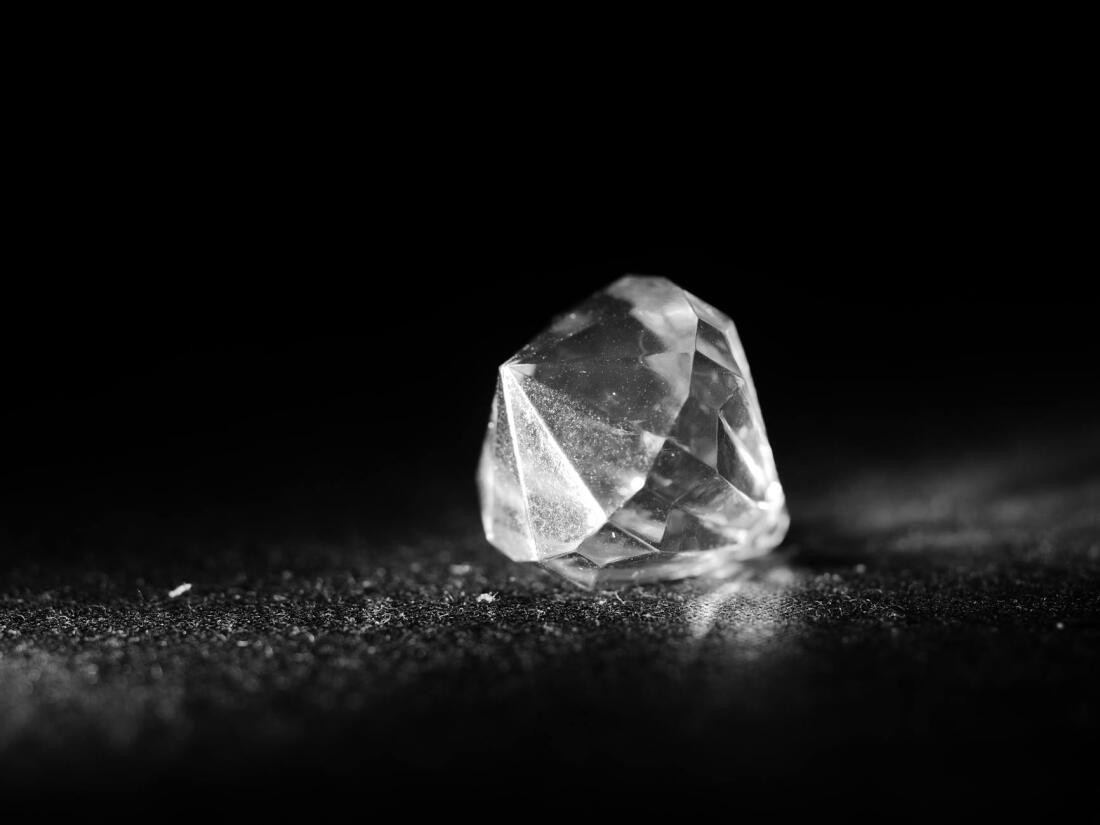
Guide to Diamond Sparkle: Brilliance, Fire, and Scintillation
Discover how brilliance, fire, and scintillation create the ultimate diamond sparkle, and learn how to choose the perfect GIA-certified diamond in HK.
Understanding the Magic Behind Diamond Sparkle
When shopping for an engagement ring or a bespoke piece of jewellery in Hong Kong, most buyers are drawn to one captivating feature: the sparkle. A diamond’s ability to catch the light and dazzle from across the room is its most desirable trait. However, not all sparkles are created equal. To truly appreciate and select a high-performing diamond, you must understand the three fundamental components of diamond light performance: brilliance, fire, and scintillation.
At Ting Diamond, we believe that an educated buyer is a confident buyer. As GIA-certified diamond specialists based in Hong Kong, we want to help you decode the science of sparkle so you can choose a diamond that shines brilliantly in any light setting.
1. Brilliance: The Foundation of White Light
Brilliance, also known as brightness, refers to the internal and external reflection of white light from a diamond. When light enters through the crown (the top of the diamond), it should ideally bounce off the pavilion facets (the lower sides) and reflect directly back through the table to the observer’s eye.
- What it looks like: Intense, bright white light emanating from the core of the stone.
- Why it matters: A diamond with poor brilliance will look dull, dark, or lifeless, even under bright showroom spotlights. High brilliance gives the diamond its classic, clean, and energetic white glow.
2. Fire: The Dance of Rainbow Colors
While brilliance is all about white light, fire is the dispersion of light into vivid, spectral colors. As light travels through the angled facets of a diamond, the stone acts as a miniature prism, breaking the white light apart into its constituent rainbow hues—flashes of red, orange, blue, yellow, and violet.
- What it looks like: Vibrant flashes of color that appear when the diamond catches the light.
- Why it matters: Fire adds depth, warmth, and romance to a diamond. It is particularly noticeable under direct sunlight or pinpoint halogen lighting, making it a highly sought-after characteristic for engagement rings worn in Hong Kong's dynamic outdoor and indoor venues.
3. Scintillation: Sparkle in Motion
Scintillation is the dynamic play of light and dark patterns that occurs when the diamond, the light source, or the observer moves. It is the combination of "sparkle" (the flashes of light) and "pattern" (the contrast between the bright and dark areas inside the stone).
- What it looks like: A mesmerizing, twinkling effect as the diamond catches light from different angles.
- Why it matters: Without proper scintillation, a diamond would look like a flat sheet of mirror. The contrast between light and dark facets creates a sense of movement and three-dimensionality, drawing the eye to the finger with every hand gesture.
The Crucial Role of GIA Cut Grade
How do brilliance, fire, and scintillation come together? The answer lies entirely in the cut. While nature determines a diamond's color and clarity, it is the master cutter’s skill that unlocks its optical potential. GIA (Gemological Institute of America) evaluates a round brilliant diamond’s cut grade based on how successfully it maximizes these three optical effects.
To achieve a GIA "Excellent" cut grade, a diamond must be fashioned with precise proportions, symmetry, and polish. If a diamond is cut too shallow, light leaks out of the bottom. If it is cut too deep, light escapes from the sides. Only an excellently cut diamond will properly bounce light back to your eyes, delivering the perfect balance of brilliance, fire, and scintillation.
How to Evaluate Sparkle When Buying in Hong Kong
When visiting a jewellery showroom in Hong Kong, the intense overhead spotlights are designed to make every diamond sparkle. To make an informed decision, we recommend these practical steps:
- Observe under different lighting: View the diamond under diffuse lighting (like natural daylight near a window) and office-style fluorescent lights, not just the jeweler's specialized spotlights.
- Prioritize Cut over Carat: A slightly smaller diamond with an Excellent cut will look significantly larger and more beautiful than a larger diamond with a Poor or Fair cut.
- Trust GIA Certification: Always insist on a GIA grading report to verify the cut, polish, and symmetry grades. At Ting Diamond, we specialize in sourcing GIA-certified diamonds that meet the highest standards of light performance.
Choosing the perfect diamond is a balance of science and personal emotion. By understanding how brilliance, fire, and scintillation interact, you can select a diamond that will continue to dazzle for a lifetime.
Related guides


