


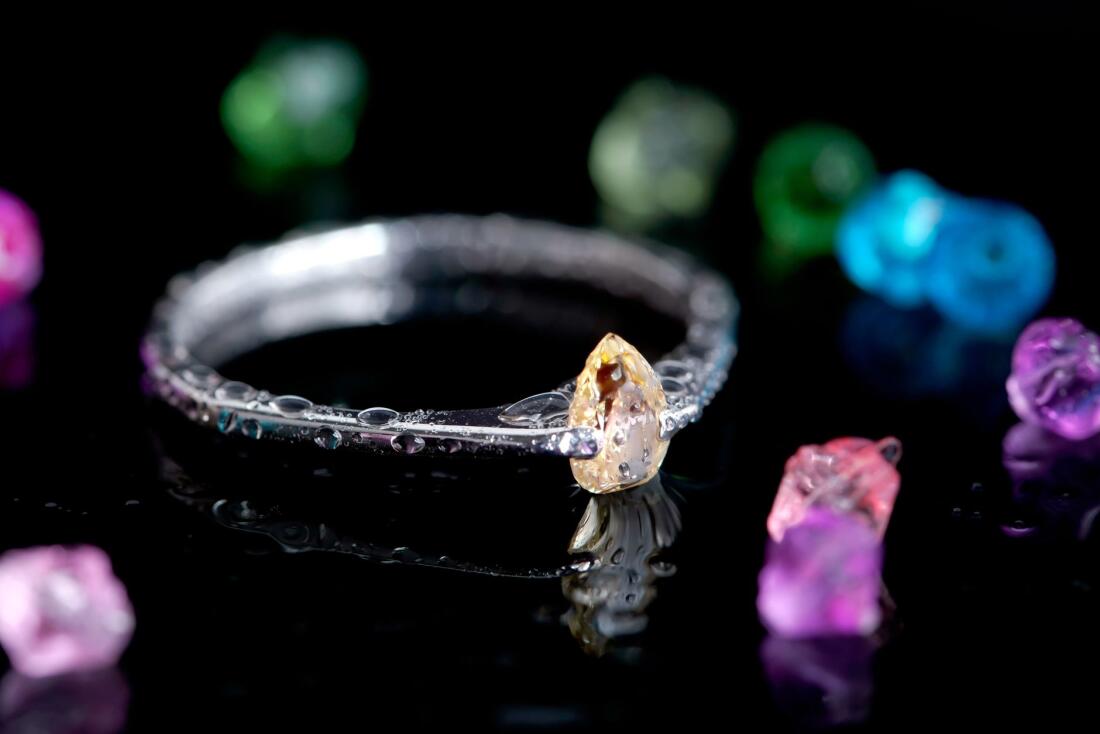
Diamond Alternatives: Moissanite vs Zirconia vs White Sapphire
Discover the differences between Moissanite, Cubic Zirconia, and White Sapphire to choose the best diamond alternative for your jewelry.
Understanding Diamond Alternatives in Today's Jewelry Market
When shopping for engagement rings or fine jewelry in Hong Kong, diamonds remain the undisputed traditional choice. However, with evolving lifestyle trends and varying budgets, many couples are exploring diamond alternatives. Whether you are looking for a travel ring to wear on holiday, a budget-friendly fashion piece, or simply want to understand the science behind different gemstones, it is important to know what you are buying.
In this guide, we will compare the three most popular diamond alternatives—Moissanite, Cubic Zirconia, and White Sapphire—examining their brilliance, durability, value, and whether they are truly worth your investment.
1. Moissanite: The High-Brilliance Challenger
Moissanite is a naturally occurring mineral (silicon carbide) that is incredibly rare in nature. Consequently, almost all moissanite used in jewelry today is lab-grown. It has surged in popularity due to its striking resemblance to diamonds and its exceptional physical properties.
- Brilliance and Fire: Moissanite actually has a higher refractive index than diamonds, meaning it reflects more light. This results in an intense, rainbow-colored sparkle (often called the "disco ball effect"). While some love this fiery display, others find it too flashy compared to the classic, white light reflection of a natural diamond.
- Durability: On the Mohs scale of hardness, moissanite scores an impressive 9.25. It is second only to diamonds (which score a perfect 10), making it highly resistant to scratching and excellent for daily wear.
2. Cubic Zirconia (CZ): The Ultra-Affordable Option
Cubic Zirconia is a synthetic gemstone made of zirconium dioxide. It is widely used in fashion jewelry and is the most pocket-friendly alternative available on the market.
- Brilliance and Fire: Initially, a high-quality Cubic Zirconia looks bright and clear. However, it lacks the depth of sparkle found in a natural diamond. Over time, CZ tends to absorb oils, dirt, and cosmetics, which quickly causes it to lose its luster and look cloudy.
- Durability: With a hardness rating of 8 to 8.5, CZ is relatively soft compared to diamonds. It scratches easily and can chip over time, meaning a CZ ring will likely need to be replaced after a few years of regular wear.
3. White Sapphire: The Natural Gemstone Alternative
For those who prefer a natural gemstone but want to avoid the price tag of a diamond, White Sapphire is a compelling choice. Belonging to the corundum family, it is the colorless variety of the precious sapphire gemstone.
- Brilliance and Fire: Unlike moissanite and diamonds, White Sapphire has a much lower refractive index. It does not have a fiery sparkle; instead, it offers a more silvery, subtle, and glassy shimmer. It can sometimes appear slightly milky or flat under certain lighting conditions.
- Durability: Scoring a 9 on the Mohs scale, White Sapphire is exceptionally durable and highly resistant to scratching, making it a reliable choice for everyday jewelry.
How Do They Compare to Natural Diamonds?
To help you make an informed decision, let’s look at how these alternatives stack up against a GIA-certified natural diamond in key areas:
- Hardness & Longevity: Natural diamonds (hardness 10) are the hardest known substance on Earth. While Moissanite (9.25) and White Sapphire (9) hold up well over decades, Cubic Zirconia (8-8.5) will inevitably show wear and tear, losing its beauty within a few years.
- Rarity and Value: Natural diamonds are geological miracles formed over billions of years, giving them inherent rarity and long-term resale value. Moissanite and Cubic Zirconia can be mass-produced in laboratories, meaning they hold virtually no resale or sentimental heirloom value.
- Visual Appeal: A natural diamond offers a perfect balance of white light reflection (brilliance) and colored sparkles (fire). Moissanite can look overly colorful, White Sapphire can look slightly muted, and Cubic Zirconia can look artificial to an experienced eye.
Are Diamond Alternatives Worth Buying?
The answer depends entirely on your purpose and expectations. At Ting Diamond, we believe every gemstone has its place:
When to buy alternatives: Moissanite and White Sapphire are excellent choices for fashion jewelry, travel rings (so you can leave your precious diamond safe at home), or temporary engagement rings if you are currently on a strict budget.
When to choose a natural diamond: For a milestone occasion like a wedding or engagement, a GIA-certified natural diamond remains the ultimate symbol of eternal love. Its unmatched durability ensures it can be passed down through generations, and its unique natural origin carries a romantic significance that synthetic alternatives simply cannot replicate.
If you are exploring options for your engagement ring in Hong Kong, we invite you to visit Ting Diamond. Our experts can show you the visual differences in person, helping you find a high-quality, GIA-certified diamond that fits your budget perfectly without compromising on brilliance.
Related guides


