Ring Finger Meaning: Which Finger Does a Ring Go On?
In Hong Kong, engagement and wedding rings are worn on the fourth finger of the left hand. Each other finger carries its own convention: index for seeking a partner, middle for attached, little finger for single by choice. None of it is a rule — comfort and knuckle size matter more than symbolism.
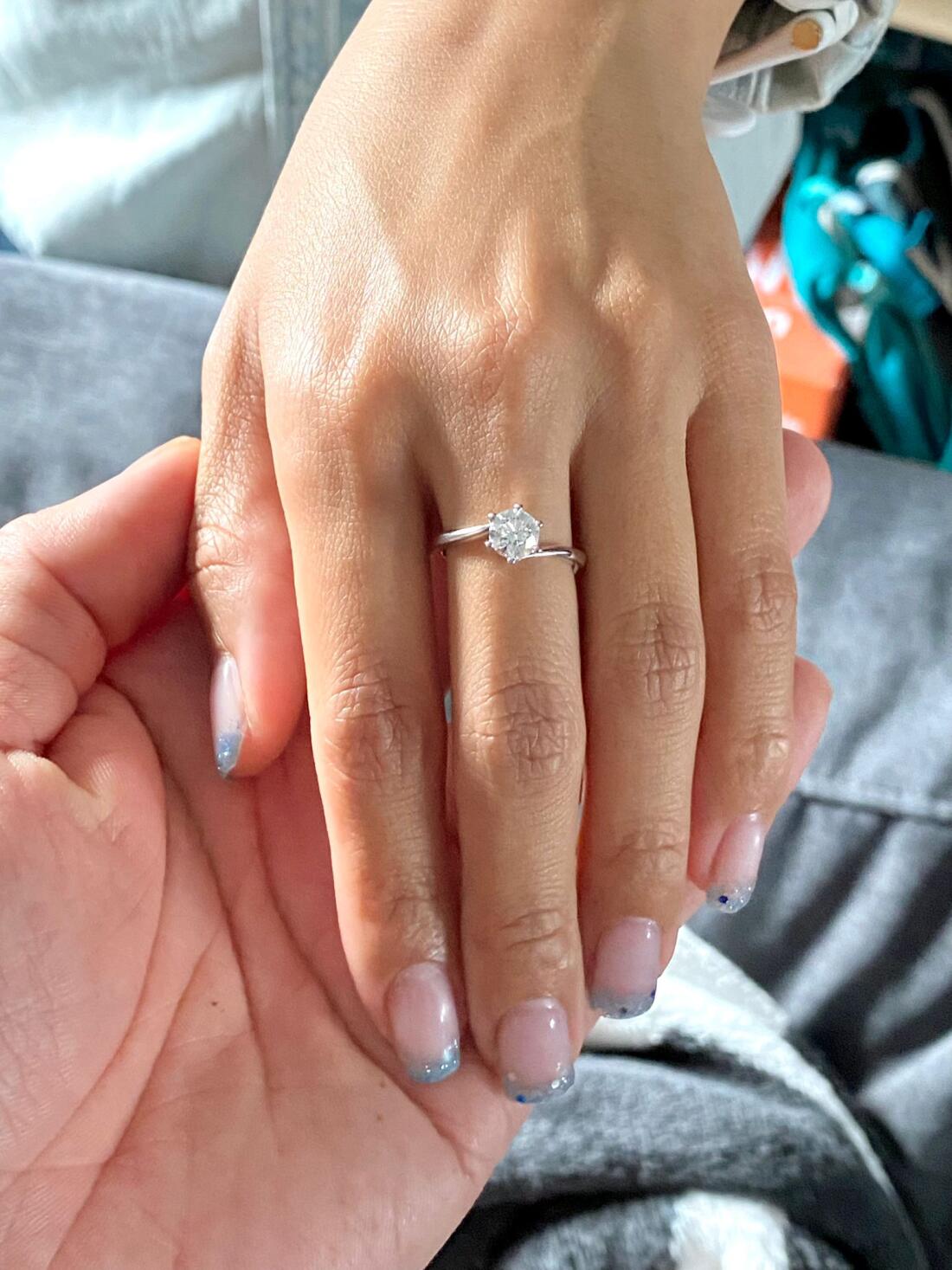
In Hong Kong, as in most of the world, an engagement ring and a wedding ring are worn on the fourth finger of the left hand — the ring finger. Every other finger carries its own loose convention, but none of them is a rule. Where a ring actually sits well depends as much on your knuckle, your hand size and what you do all day as on what the finger is supposed to signify.
What each finger traditionally means
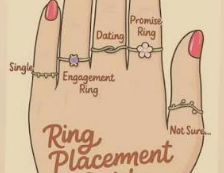
The Chinese convention widely followed in Hong Kong reads roughly like this:
- Index finger — single and open to a relationship. Historically a signet or seal finger, so it suits a wider, flatter ring.
- Middle finger — in a relationship but not engaged. The longest finger, so a bold ring reads well here without competing with a ring on the fourth finger.
- Ring finger (fourth) — engaged or married. The convention comes from the Roman vena amoris idea that a vein ran from this finger straight to the heart. It is anatomically wrong, but it stuck.
- Little finger — single by choice, or simply decorative. Common for a pinky or signet ring.
- Thumb — confidence and status. Needs a substantially wider band to look deliberate rather than accidental.
Which finger for a proposal ring versus a wedding ring?
Both go on the left ring finger in Hong Kong — the engagement ring finger and the wedding ring finger are the same finger, so the marriage ring finger carries both rings. The sequence is what changes at the wedding: the wedding band is placed on first, sitting closer to the heart, and the engagement ring stacks above it. Many people move the engagement ring to the right hand for the ceremony itself, then move it back over the band afterwards.
If you plan to wear both together long-term, choose them as a pair — a curved or contoured band will sit flush against a solitaire, where a straight band may leave a visible gap. Our engagement ring collection and wedding ring collection are designed to be paired this way.
Is there a difference for men?
The finger conventions are the same. What differs is proportion and practicality. Men's bands are typically 4–7mm wide against 2–3mm for women's, so the same finger carries visually much more ring. Two practical points matter more than symbolism:
- A wider band fits tighter at the same nominal size — order roughly half a size up for anything above 6mm.
- If you work with your hands, a lower-profile band in a harder metal (platinum, or 18K white gold) will survive daily wear better than a soft high-polish finish.
See our men's diamond ring guide for how this affects setting choice.
Left hand or right hand?
Left is the Hong Kong default for engagement and marriage. Right-hand wear is not a mistake — it is simply a different convention: Germany, Russia, India and much of Eastern Europe wear the wedding ring on the right hand, and many people in Hong Kong wear a ring on the right middle or index finger purely as jewellery with no relationship meaning attached.
There are also everyday reasons to switch hands. If you are left-handed, a ring on the left hand takes noticeably more knocks. Some people move a high-set solitaire to the right hand for work and back for evenings.
Practical things that matter more than the symbolism
- Knuckle versus base. If your knuckle is much wider than the base of your finger, the ring will spin once it is past the knuckle. This is common and fixable with sizing beads rather than a smaller ring.
- Fingers change size. They swell in Hong Kong's summer humidity and shrink in air conditioning — a variation of up to half a size across a single day is normal. Size in the afternoon, at room temperature.
- Setting height. A tall solitaire on a dominant hand catches on clothing and handles. A bezel or lower-profile setting is the practical answer.
Our ring size guide covers how to measure at home before ordering.
Related guides